Why is my toilet running constantly and how to stop it
A toilet that runs constantly is almost always a worn flapper, a stuck fill valve, or a misadjusted float. Here is how to diagnose and stop it in Decatur.
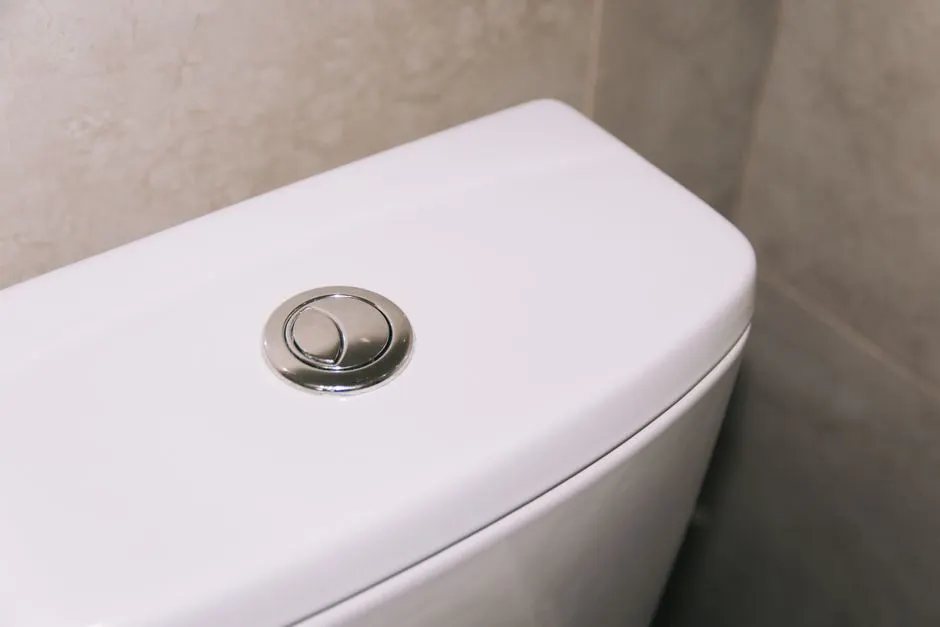
A toilet that runs constantly is almost always caused by a worn flapper, a stuck fill valve, or a float set too high - three parts that cost under $25 combined and take about 30 minutes to replace. If you hear water trickling into the bowl long after a flush, the tank is leaking water past the flapper and the fill valve keeps refilling it, which is why the sound never stops. Below we walk through how to confirm which part failed, what a running toilet repair costs in Decatur in 2026, and when it is worth calling us instead of fighting it yourself.
The short answer: what makes a toilet run nonstop
A toilet running constantly Decatur GA homeowners describe as "the toilet that never shuts up" is a tank that cannot hold its water level. The tank fills, the water slowly escapes past the flapper into the bowl, the water level drops, the fill valve kicks on, and the cycle repeats every few minutes. That is the entire mechanism.
There are only four parts in the tank that matter for this problem:
- Flapper - the rubber seal at the bottom of the tank. It warps, hardens, or collects mineral scale and stops sealing.
- Fill valve - the vertical assembly that refills the tank after a flush. A failed diaphragm or a stuck float keeps it running.
- Float - the ball or cup that tells the fill valve when to stop. Set too high, it lets water run into the overflow tube.
- Flush valve seat - the plastic or brass ring the flapper sits on. A nicked seat means even a new flapper will not seal.
Nine times out of ten, it is the flapper. The other one time, it is the fill valve or a float that needs a quarter-turn of adjustment. That is why toilet repair Decatur GA calls for a running toilet are usually the fastest jobs on our schedule - we carry flappers and fill valves on every truck.
Why is my toilet running constantly in Decatur GA?
Why is my toilet running Decatur Georgia residents ask us this most often between November and February, when indoor humidity drops and rubber flappers that were marginally sealing in summer finally shrink enough to leak. Decatur's water is soft compared to much of metro Atlanta, so we see less mineral scale damage than plumbers in, say, Marietta - but we see plenty of flapper failure from age and chlorine.
The three causes we find, in order of frequency:
- Flapper no longer seals. Rubber flappers last 3 to 5 years. After that they harden, curl at the edges, or develop a film of biofilm that lets water weep past.
- Float set too high or out of adjustment. If the water level sits at or above the top of the overflow tube, water pours straight down the tube and into the bowl. You will hear a constant hiss, not a trickle.
- Fill valve diaphragm worn out. The rubber diaphragm inside the fill valve tears or stiffens, and the valve never fully closes. This one usually shows up as a toilet that runs intermittently - quiet for 20 minutes, then hissing for 30 seconds.
Older homes in plumber Decatur in Old Decatur and the 1950s ranches around plumber Decatur in Winnona Park often still have original brass flush valve seats. Those seats outlast the flappers by decades, but when they finally pit, no off-the-shelf flapper will seal against them - the seat has to be resurfaced or replaced.
How to stop a toilet from running: a step-by-step diagnosis
You can diagnose a running toilet in about 10 minutes with no tools beyond a screwdriver and a few drops of food coloring. Here is the sequence we use on every service call.
Step 1: Confirm it is the flapper (the dye test)
Lift the tank lid and drop 5 to 10 drops of food coloring into the tank water. Do not flush. Wait 15 minutes and look in the bowl. If color appears in the bowl water, the flapper is leaking. That is your problem. Skip to step 3.
Step 2: Check the water level against the overflow tube
The water line in the tank should sit about 1 inch below the top of the overflow tube - the open-ended plastic tube in the center. If the water is at or above the top of the tube, the float is set too high. Turn the adjustment screw on the fill valve clockwise a quarter-turn at a time until the water drops. Flush and recheck.
Step 3: Replace the flapper
Shut off the water at the angle stop behind the toilet. Flush to drain the tank. Unhook the old flapper from the overflow tube, take it to a hardware store, and match it exactly - flappers are not universal. A 2-inch flapper runs $6 to $12. A 3-inch flapper for newer high-efficiency toilets runs $10 to $18. Install the new one, turn the water back on, and run the dye test again.
Step 4: Replace the fill valve if the flapper did not fix it
If the dye test is clean but the toilet still runs, the fill valve is the culprit. A replacement fill valve costs $12 to $25 and takes about 20 minutes to swap. This is the point where most homeowners decide the $150 to $250 a plumber charges is worth not spending their Saturday under a tank.
What it costs to fix a running toilet in Decatur in 2026
Typical 2026 pricing in this area for a running toilet fix runs $95 to $185 for a flapper or fill valve replacement, and $185 to $325 if the flush valve seat needs work or the toilet has to be pulled. Here is how that breaks down:
- DIY parts only: $6 to $25 for a flapper or fill valve, plus your time.
- Flapper replacement by a plumber: $95 to $150, about 30 minutes on site.
- Fill valve replacement: $125 to $185, about 45 minutes.
- Flush valve seat repair or replacement: $185 to $325, 1 to 2 hours.
- Full toilet replacement (if the bowl or tank is cracked): $450 to $1,100 installed, depending on the model.
We quote the price before we start, and the number you hear is the number you pay. No diagnostic fee on a running toilet call - if we can fix it in one visit, you pay the flat repair price and nothing else.
Can a running toilet increase my water bill in Decatur?
Yes - a running toilet can add $30 to $200 per month to a Decatur water bill, depending on how badly the flapper is leaking. The math is unforgiving. A slow flapper leak wastes about 1 gallon per minute, which is 1,440 gallons per day, or roughly 43,000 gallons a month. DeKalb County bills water and sewer together, and sewer charges are based on your water usage, so you pay twice for every gallon the toilet wastes.
For context, the average Decatur household uses about 4,000 to 6,000 gallons per month. A running toilet can multiply that by 8 to 10 times. If your last bill jumped and you have not changed anything else, check the toilet first.
You can confirm the leak without waiting for the bill. Read your water meter, write down the number, and do not use any water for two hours. Read it again. If the number moved, you have a leak - and the toilet is the most likely source.
Common mistakes that make a running toilet worse
The most common mistake we see is a homeowner replacing the flapper with the wrong size, then assuming the toilet is unfixable when it still runs. Flappers are sized to the flush valve - 2 inch for most toilets made before 2000, 3 inch for many high-efficiency models after that. A 2-inch flapper on a 3-inch valve will not seal no matter how carefully you install it.
Other mistakes that cost people money:
- Bending the float arm instead of adjusting the screw. On older ball-float valves, bending the brass arm works - once. Bend it twice and it snaps, and now you are replacing the whole fill valve.
- Overtightening the flapper chain. The chain should have about half an inch of slack. Too tight and the flapper never seats. Too loose and it tangles under the flapper.
- Ignoring a warped flush valve seat. If the seat has a visible nick or mineral ridge, a new flapper will leak within a week. The seat has to be smoothed or replaced first.
- Using a universal flapper "kit." Those kits fit some toilets and leak on most. Match the flapper to the toilet model.
- Waiting. Every week a running toilet goes unfixed is another $10 to $50 on the water bill. The repair costs less than two months of the leak.
If the toilet is also slow to drain or gurgles when you flush, the problem may not be the flapper at all - a partially clogged drain line can cause the bowl to drain slowly and the fill valve to keep running. In that case, drain cleaning Decatur GA is the right call, not a flapper swap.
When to call a professional
Call a plumber when the dye test is clean but the toilet still runs, when you see water on the floor around the base, when the tank is cracked, or when you have replaced the flapper twice and it still leaks. Those four situations point to a flush valve seat, a wax ring, or a tank problem that a parts swap will not solve.
We handle running toilet repair across Decatur every week - from the bungalows around plumber Decatur in Oakhurst to the newer builds near plumber Decatur in North Decatur. We carry flappers, fill valves, and flush valve seats on the truck, so most running toilet calls are finished in a single visit. If the toilet is older and the repair cost is approaching half the price of a new one, we will tell you that straight and let you decide.
If the running toilet is part of a bigger picture - a spike in your water bill, a wet spot on the ceiling below, or a meter that spins when nothing is on - the problem may be a hidden leak rather than the toilet. Our leak detection Decatur GA service finds those with acoustic and thermal equipment before they do structural damage.
Frequently Asked Questions
Why is my toilet running constantly in Decatur GA?
The flapper is almost always the cause - it stops sealing after 3 to 5 years and lets tank water leak into the bowl. The fill valve then refills the tank every few minutes, which is the running sound you hear. A float set too high or a worn fill valve diaphragm cause the rest.
How do I stop my toilet from running in Decatur?
Run the dye test first to confirm the flapper is leaking. Shut off the angle stop, drain the tank, and replace the flapper with one matched to your toilet's flush valve size. If the dye test is clean and it still runs, replace the fill valve. Most fixes take 30 minutes.
How much does it cost to fix a running toilet in Decatur GA?
In 2026, expect $95 to $185 for a flapper or fill valve replacement by a plumber, and $185 to $325 if the flush valve seat needs work. DIY parts run $6 to $25. A running toilet wastes $30 to $200 a month in water, so the repair usually pays for itself within weeks.
Can a running toilet increase my water bill in Decatur?
Yes, significantly. A slow flapper leak wastes about 1 gallon per minute - roughly 43,000 gallons a month. DeKalb County bills water and sewer together, so you pay twice. A running toilet can add $30 to $200 to a monthly bill depending on how long it has been leaking.
Is a running toilet an emergency?
Not usually, but do not leave it for months. A running toilet wastes water and money every day, and a flapper that fails completely can overflow the tank. If you see water on the floor or the tank is cracked, call us the same day.
Get help with Plumber Decatur in Decatur
If your toilet has been running for more than a day, we can stop it today. We are a local plumber Decatur GA team, we carry the parts on the truck, and we quote the price before we start.
Call us at 513-299-2719 and we will get your toilet quiet and your water bill back to normal.